Expert-Recommended Hiking Footwear: The Salomon X Ultra 4 Mid GTX
Elevate Your Hike: Discover the Ultimate Footwear for Trail Adventures!
The Crucial Role of Proper Hiking Footwear for Safety and Comfort on Trails
Tackling challenging trails can be daunting, particularly when faced with slippery paths or uneven ground. Without suitable footwear, a simple slip can escalate into a dangerous situation. Hiking necessitates reliable traction, robust support, and unwavering stability to confidently traverse rocky landscapes, intricate root systems, and unpredictable terrains. The appropriate choice of shoes is paramount for an enjoyable and safe journey through nature's wonders.
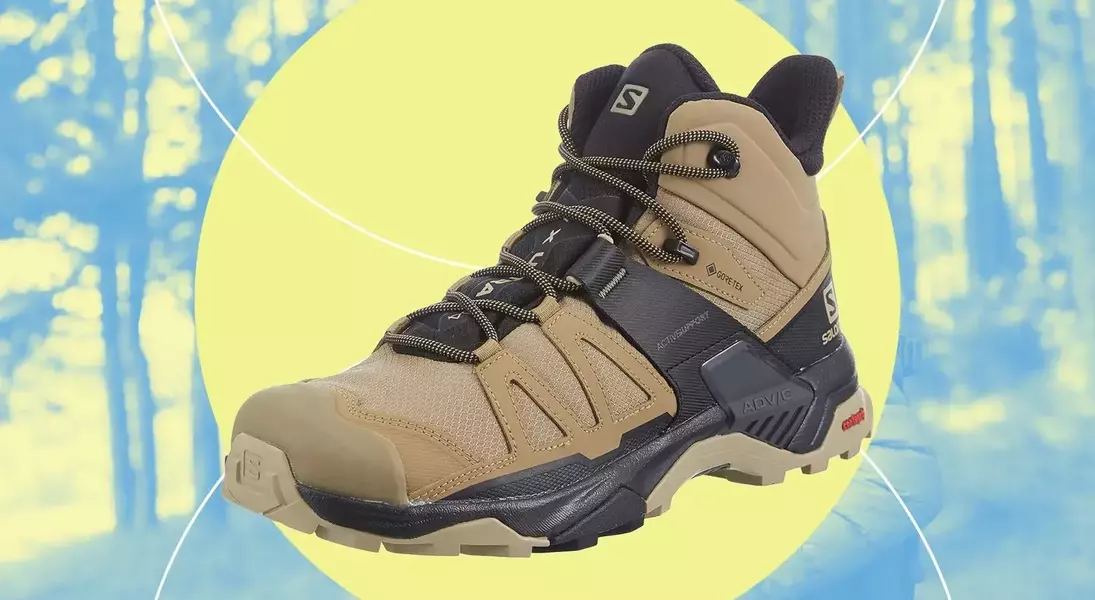

Why Podiatrists Endorse the Salomon X Ultra 4 Mid GTX for Optimal Hiking Performance
When seeking advice on the best hiking footwear, two leading podiatrists independently highlighted a singular choice: the Salomon X Ultra 4 Mid GTX. This model stands out for its exceptional blend of support, protection, and comfort, making it a favorite among foot health professionals.
Detailed Analysis of the Salomon X Ultra 4 Mid GTX's Key Features
According to Dr. Miguel Cunha, a board-certified podiatrist and foot surgeon, the Salomon X Ultra 4 Mid GTX hiking shoes offer "SensiFit superior ankle support, sturdy All-Terrain Contagrip outsoles for uneven terrain, and OrthoLite plush cushioning to reduce joint strain on descents." Dr. Suzanne Fuchs, also a board-certified podiatrist, further emphasizes the shoe's supportive midsole and excellent traction, noting their effectiveness in minimizing joint stress during downhill treks and significantly lowering the risk of falls.
Enhanced Protection and Weather Resistance for All Trail Conditions
For extended hikes, the precise yet comfortable fit of these shoes is crucial in preventing blisters and discomfort. Dr. Fuchs points out that the design incorporates protective elements, such as reinforced toe caps, which shield against impacts from roots and rocks. Additionally, certain versions are equipped with a rock plate for superior underfoot protection. Both specialists commend the shoe's waterproof Gore-Tex lining, ensuring feet remain dry and supported, regardless of weather conditions. Salomon has also introduced the updated X Ultra 5 Mid GTX, offering an equally impressive option.
Essential Considerations When Choosing Your Next Pair of Hiking Shoes
Podiatrists offer several vital suggestions for those in search of new hiking shoes. Firstly, always try on shoes later in the day, when your feet are naturally more swollen and fatigued, to accurately gauge comfort during actual hiking conditions. Secondly, align your footwear choice with the specific terrain: opt for lighter, low-cut shoes for day hikes and more rigid, higher boots for treks with heavy packs or on rugged paths. For wet environments, waterproof options are essential, while breathable materials are preferable in dry, warm climates. Lastly, prioritize soles with deep lug patterns for maximum grip and look for robust shock absorption and a firm heel collar to maintain foot stability and comfort on prolonged excursions.