Ford's European Future: A Return for Fiesta and Focus?
Ford's Vision: Reimagining the European Automotive Experience
Europe's Unique Automotive Identity and Ford's Strategic Response
The European car market stands apart with its own set of consumer demands and operational considerations, much like its American counterpart. Ford, a long-standing and influential presence in Europe, has consistently adapted to these evolving market dynamics. This strategic flexibility has often necessitated difficult decisions to maintain a competitive edge and ensure long-term viability.
The Discontinuation of Iconic Models: A Necessary Evolution
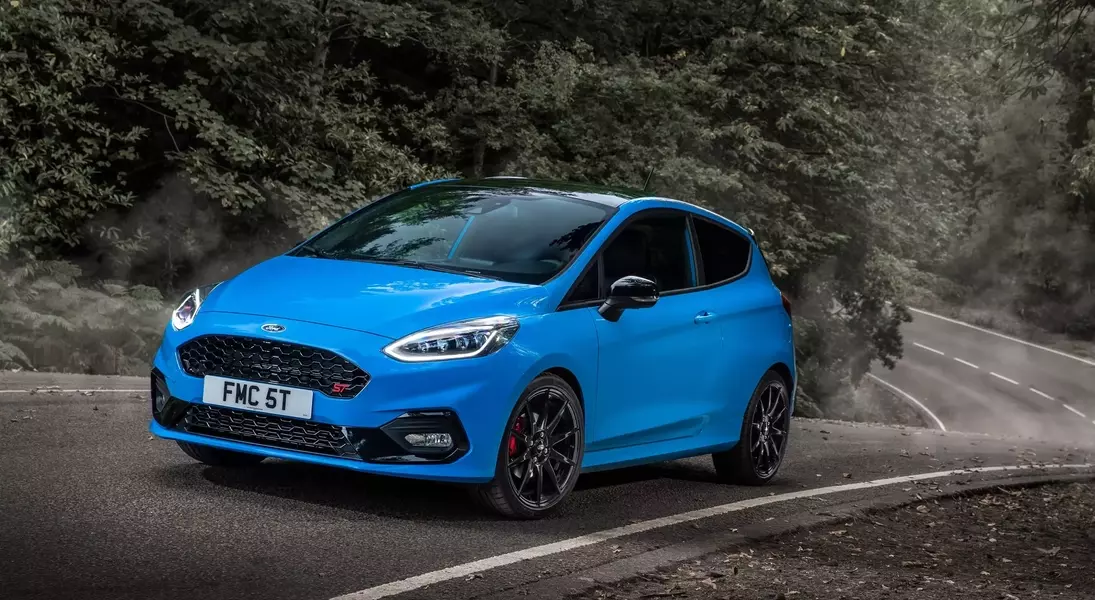
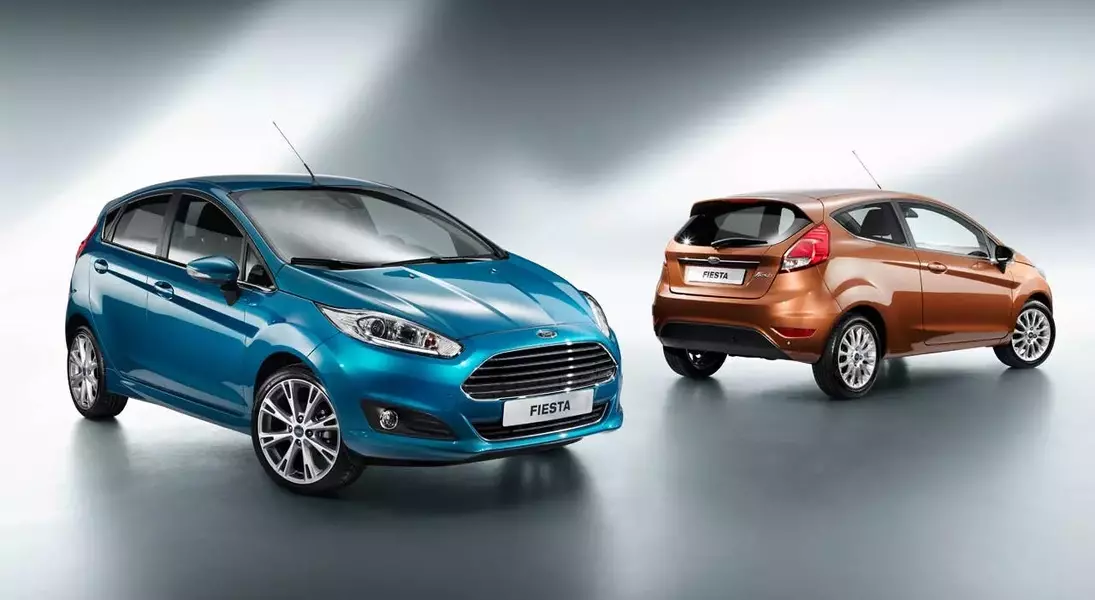
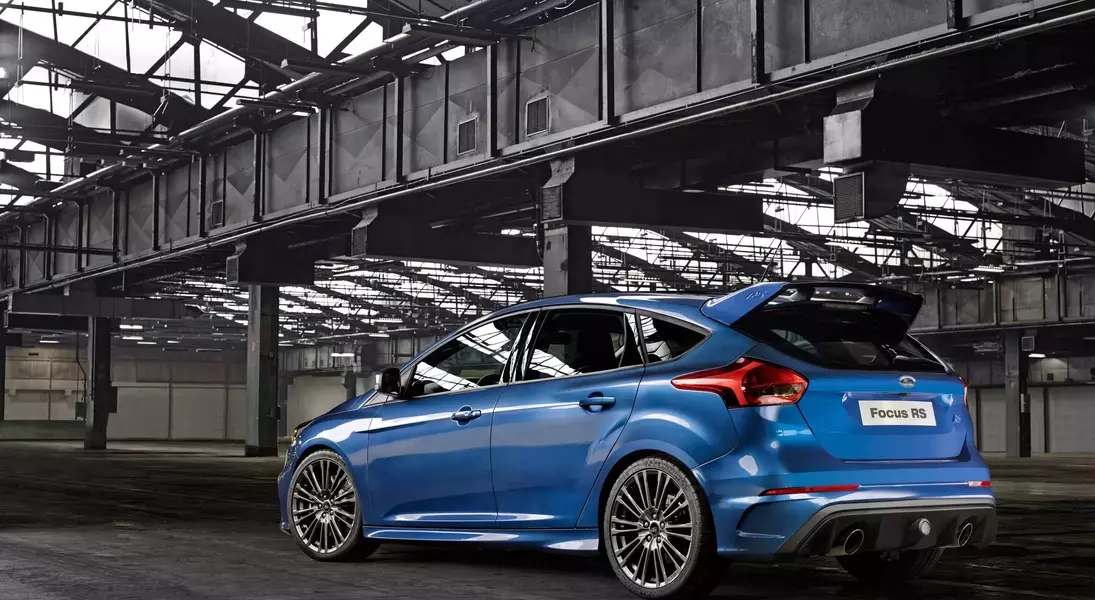
In a recent interview, Ford Europe's managing director for passenger vehicles, Christian Weingaertner, shed light on the company's past and future trajectory. He addressed the discontinuation of the widely popular Fiesta and Focus models, explaining that the decision stemmed from the challenges posed by increasingly stringent emissions standards and the growing fragmentation of vehicle models, which impacted production efficiency. These factors compelled Ford to prioritize investments in electric vehicle technology.
A Glimmer of Hope: The Potential Revival of Beloved Nameplates
Despite their previous discontinuation, Weingaertner acknowledged the enduring appeal and successful heritage of the Fiesta and Focus. He noted their strong performance in various racing series, such as rallying and touring cars, which contributes to the brand's consideration of keeping these names alive for future iterations. This suggests that a return for these models, perhaps in an electrified or re-imagined form, is not entirely off the table.
Shaping Tomorrow: Ford Europe's Future Portfolio and Partnerships
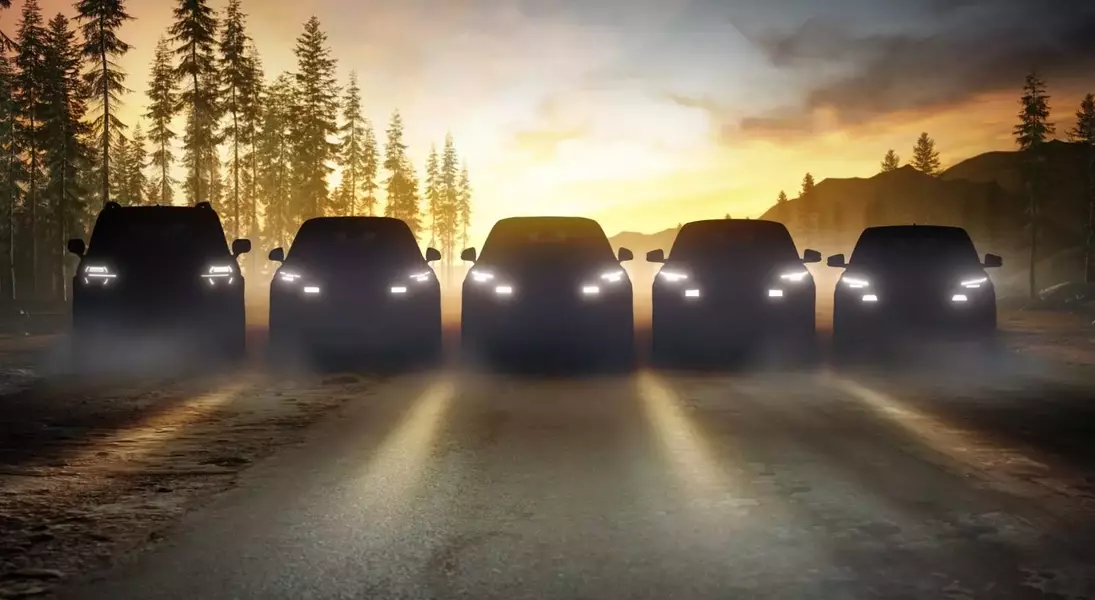
The discussion also delved into Ford Europe's strategic outlook. A significant point of interest was the potential for new partnerships, particularly concerning Ford's Almussafes Plant. While rumors circulated about a collaboration with Geely, Weingaertner emphasized that Ford is engaging in discussions with multiple entities to secure the most advantageous deal and partnership opportunities. Furthermore, Ford has unveiled plans to launch a lineup of five new vehicles in Europe by 2029. Weingaertner affirmed that these forthcoming electric models, even those utilizing Renault's AMPR platform, will embody the quintessential Ford characteristics in terms of design, features, user experience, and driving dynamics, ensuring they remain true to the brand's identity.