Mini Reconsiders Production of the Intriguing Rocketman Concept
The Enduring Vision: Mini's Pursuit of the Rocketman's Production Dream
The Resurgence of the Rocketman Concept: A Decade-Long Consideration
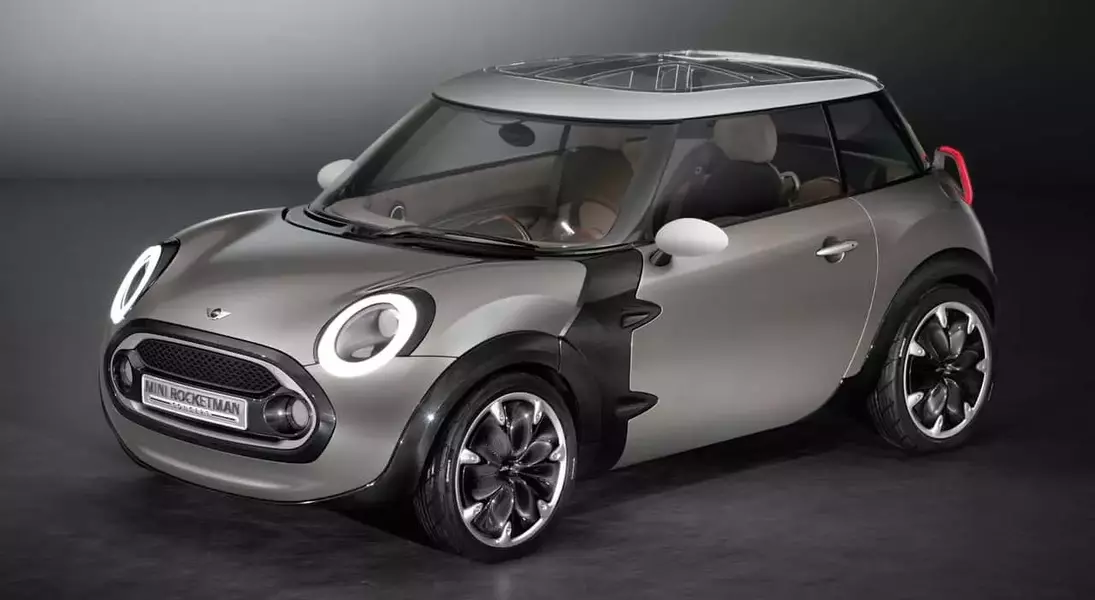
More than ten years after its initial reveal, the Mini Rocketman concept remains a topic of active discussion within the company. This tiny vehicle, which shares a footprint reminiscent of the inaugural 1959 Mini, presents a unique proposition for contemporary urban transportation.

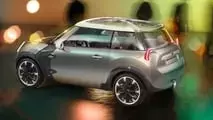
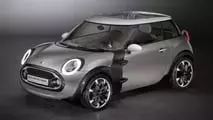
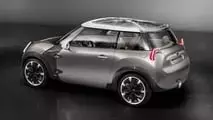

Navigating Modern Automotive Challenges with a Compact Design
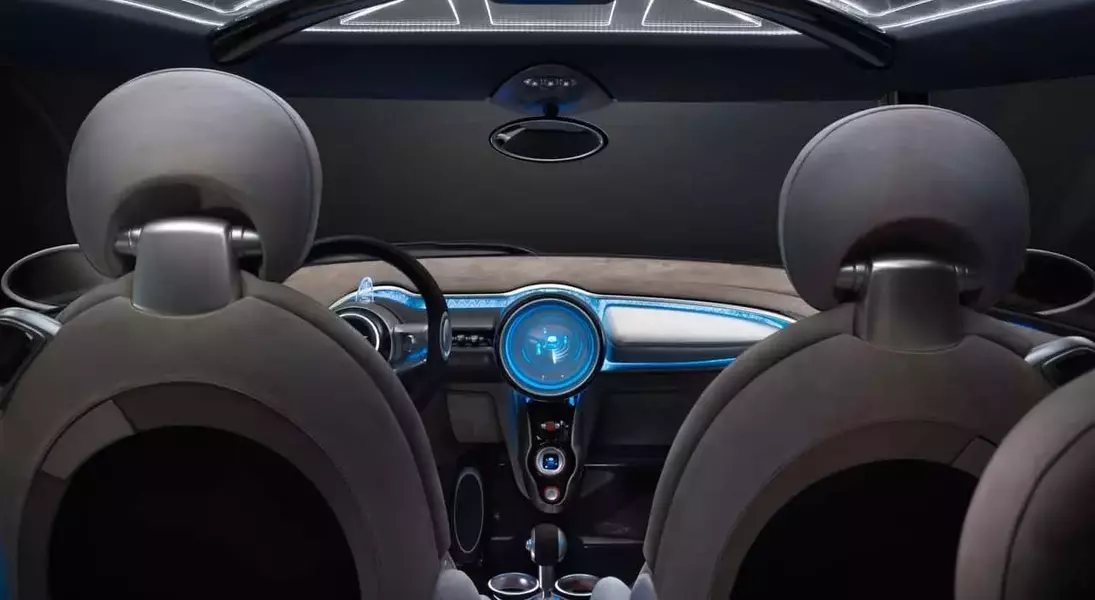
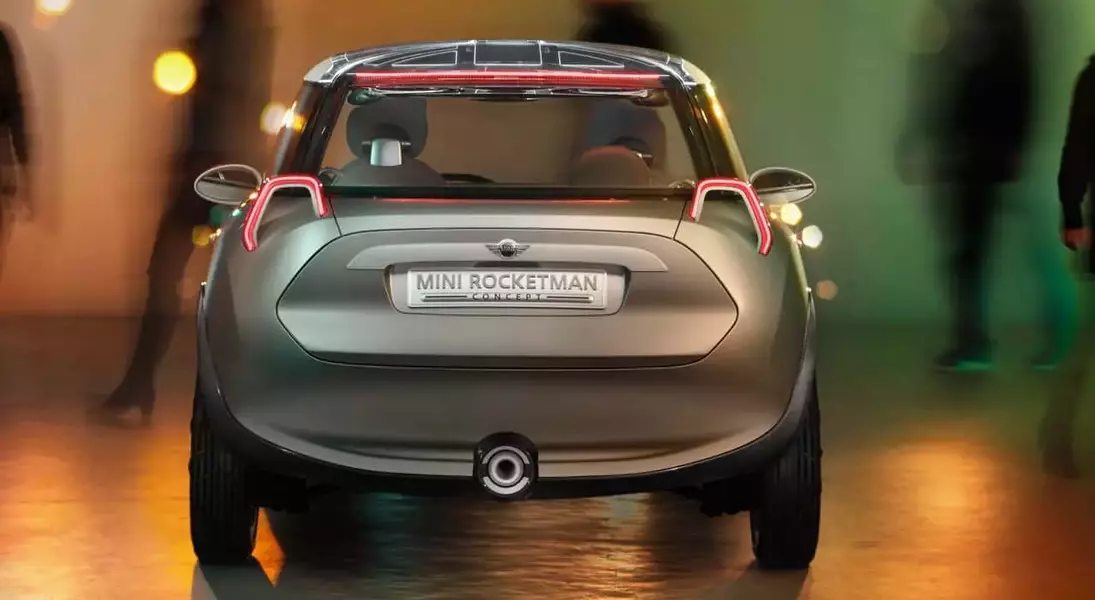
The journey to transform the Rocketman concept into a production model is fraught with complexities, particularly concerning its diminutive dimensions. Current industry standards for safety and the integration of advanced technological features demand a rethinking of traditional compact car design. The Rocketman, a three-door hatchback with a carbon spaceframe, was originally designed with four seats and an innovative sliding tailgate.
Leadership's Commitment to the Miniature Marvel
Holger Hampf, Mini's head of design, has openly expressed the company's ongoing dedication to this project, describing it as an "exciting" endeavor. He highlighted the ongoing effort to ingeniously package essential features and systems within the vehicle's compact 3.6-meter (147.7-inch) length, a task made more challenging by evolving automotive requirements.
The Dual Imperatives: Safety and Technology Integration
Contemporary vehicles must adhere to stringent safety regulations and incorporate sophisticated driver-assistance systems. These necessities inevitably add to the vehicle's weight and complexity, posing a significant hurdle for a car designed for minimalist efficiency. Hampf acknowledges the intricate balancing act required to meet these demands without compromising the Rocketman's core identity.
Future Prospects: Electric Drivetrain and Market Uncertainty
While a definitive timeline for the Rocketman's production remains elusive, speculation points towards its potential emergence as an all-electric vehicle. This strategic direction would position it as a competitor in the burgeoning market for compact electric cars, such as the Renault Twingo. However, its reception in markets like the United States, where smaller vehicles have historically struggled to gain widespread popularity, is a factor Mini must carefully consider.