Weekly Insights from the Tesla and SpaceX Universe
Navigating Innovation: Tesla and SpaceX's Latest Chapter
Tesla's Autonomous Fleet: Shifting Dynamics in Austin
Recent analysis by Barclays' Dan Levy indicates a significant operational adjustment for Tesla's robotaxi service. Despite an expansion of its service area within Austin, the company has reportedly reduced the size of its autonomous vehicle fleet to approximately 20 units. This change coincides with the removal of safety personnel from these vehicles, signaling a new phase in their self-driving strategy.
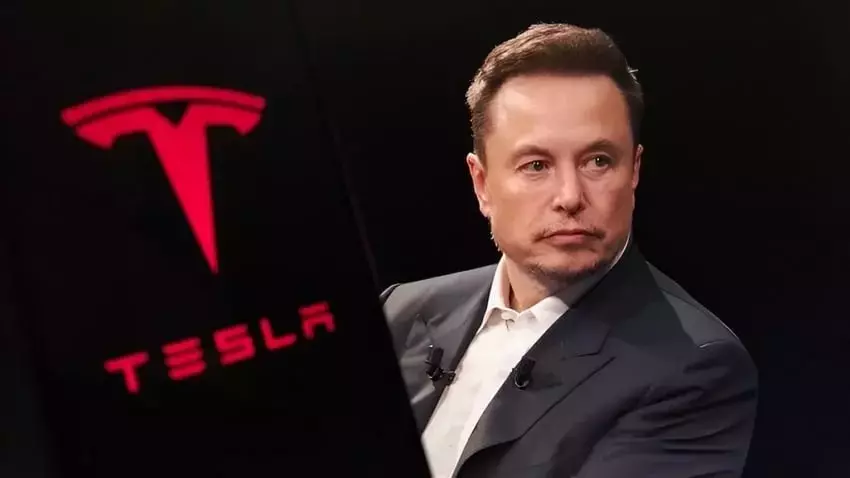
Elon Musk on Terafab's Economic Contribution
Responding to discussions about tax incentives for the Terafab facility in Grimes County, Texas, Elon Musk clarified that even with tax breaks, SpaceX's presence would substantially increase the county's annual tax revenue by 25%. He further projected that Terafab could eventually become the largest single revenue generator for the county, highlighting the project's significant economic potential.
SpaceX's IPO Amendments and Market Repercussions
Ahead of its anticipated Initial Public Offering, SpaceX has submitted an updated S-1 filing to the SEC. These revisions detail a year-long lock-in period for Musk's shares and outline a deal with Anthropic, among other key provisions. Investor Gary Black has suggested that the amended filing, particularly the indication of potential equity issuance for future acquisitions, may have contributed to a mid-week dip in Tesla's stock value due to concerns about possible dilution.
European Market Revival: Tesla's Surge in France
Tesla has demonstrated robust growth in the European market, with a notable 655% increase in registrations in France during May. This surge marks a significant recovery for the electric vehicle manufacturer in the region, though it is important to note that the comparison is based on a period of particularly low sales in France for Tesla in the preceding year.
Autonomous Driving Technology: Safety Scrutiny Intensifies
The reliability and safety protocols of Tesla's self-driving systems have come under increased scrutiny. Former data specialists and engineers associated with the company have voiced concerns regarding the trustworthiness of the electric vehicle giant's autonomous technology and the integrity of its reported safety data, raising questions about the future of its self-driving ambitions.